Industry Knowledge & Research

Botanical Insights & Scientific Trends

In-depth articles, technological advances, and market analyses in the global natural ingredients sector.

0%

Specialty Nutraceutical Ingredients are moving from supporting roles into the spotlight, as consumers look for targeted benefits and clearer evidence. The Council for Responsible Nutrition’s 2024 Consumer Survey found that 75% of U.S. adults use dietary supplements. McKinsey’s 2024 Future of Wellness research reported that 82% of U.S. consumers consider wellness a top or important priority. These figures signal demand, but they do not prove that every trending ingredient works. That distinction matters.

For 2026, this overview examines ingredients attracting commercial and scientific attention, including probiotics, omega-3s, creatine, magnesium, and plant-derived bioactives. It considers evidence quality, formulation needs, and how well products communicate their intended use. CRN’s Andrea Wong, senior vice president of scientific and regulatory affairs, has emphasized the importance of science-based, responsible supplement information. Her point offers a useful test: follow the evidence, not the noise. A polished label alone is not proof. Nor does popularity settle questions about dose, source, or suitability. Ingredient rankings also vary by region and report, so any “top” list needs context. Some trends will last; others may fade before the next product cycle. That uncertainty is worth keeping in view.
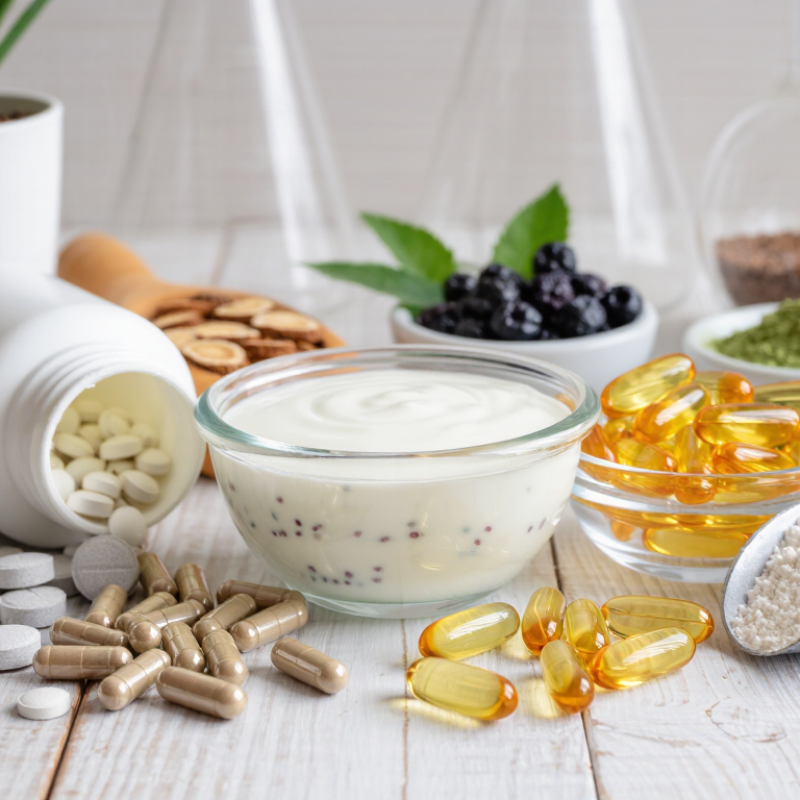
Which Specialty Nutraceutical Ingredients Are Top in 2026?

Set the 2026 Baseline: CRN Reports 75% of U.S. Adults Use Supplements

CRN reports that 75% of U.S. adults use dietary supplements, setting a striking baseline for the 2026 ingredient conversation. The figure suggests supplements are part of everyday routines, from a capsule beside breakfast to a powder mixed into a shaker. It does not, by itself, show which ingredients people choose or whether those products meet their needs. Broad use is not proof of benefit.

For specialty nutraceutical ingredients, that distinction matters. Consumers may look for targeted benefits, clear dosing, and ingredients supported by credible research. A polished label is not enough. Buyers and product developers should examine the evidence for the specific ingredient and amount, along with quality controls and transparent sourcing. Small details count.

The 75% figure is useful, but imperfect: broad participation can hide differences in age, health goals, and supplement habits. Ingredient interest may also change faster than survey snapshots suggest. That makes careful interpretation essential. Strong choices start with good questions, not trend lists. And evidence can be uneven. A promising ingredient still deserves scrutiny before its claims travel further than its research.

Supplement Use in the U.S.

CRN reports that 75% of U.S. adults use dietary supplements.

This overall-use figure provides a market baseline; it does not rank individual nutraceutical ingredients. Source: Council for Responsible Nutrition (CRN).

Probiotics: Grand View Research Valued the 2023 Market at $77.1B

Grand View Research valued the global probiotics market at $77.1 billion in 2023. Its market report projects a 14.0% compound annual growth rate from 2024 to 2030. That is a large market. Yet the estimate covers a broad category, not just supplements. Foods, beverages, and products for animal nutrition also contribute to demand.

For ingredient buyers, growth turns attention to practical details: strain identity, viable-cell counts, and stability during storage. A probiotic can look compelling on a label, but heat, moisture, and time may affect how many live microorganisms remain. The International Scientific Association for Probiotics and Prebiotics’ consensus definition emphasizes live microorganisms that provide a health benefit when consumed in adequate amounts. “Live” and “adequate” matter.

Market estimates need context. Research firms may group product formats and applications differently, so their totals are not always directly comparable. The $77.1 billion figure signals commercial scale, not a guarantee that every ingredient works equally well. Buyers should examine the study design behind health claims, the product’s storage conditions, and whether the measured strain matches the one being sold. The data is useful, but the category is messy.

Omega-3 Supplements: Grand View Research Valued the 2023 Market at $7.9B

Omega-3 supplements remain a major specialty ingredient category. Grand View Research valued the global market at $7.9 billion in 2023 and projected an 8.9% compound annual growth rate from 2024 to 2030. That figure reflects a broad market, not a guarantee of continued growth. Demand is shaped by product format, ingredient sourcing, and consumer trust. The number is striking. Yet market size alone says little about the quality of an individual supplement.

For buyers, the label deserves a closer look. EPA and DHA are the long-chain omega-3 fats commonly supplied by fish oils and algal oils. Check the listed amounts of each, rather than judging a product by its total oil weight. A bottle may contain 1,000 milligrams of oil but substantially less EPA and DHA. The U.S. National Institutes of Health Office of Dietary Supplements also notes that plant-based ALA is not equivalent to EPA and DHA; conversion in the body is limited. Freshness matters, too. Oxidation can affect oil quality, so transparent testing and clear storage instructions are useful signals. Growth is real, but the market still leaves consumers with a practical question: which details are verified, and which are simply persuasive packaging?

Collagen: Grand View Research Put the 2023 Market at $9.1B

Grand View Research valued the global collagen market at $9.1 billion in 2023. That scale puts collagen firmly on the radar for specialty nutraceutical ingredients. But the figure needs context. It describes the collagen market, not necessarily nutraceutical-grade ingredients alone. Market estimates can include different applications and product types, so readers should check each report’s definition before comparing numbers.

For supplement developers, the estimate reflects broad commercial interest, while ingredient choice still comes down to practical details. Collagen peptides may be supplied in powders or blended into ready-to-mix products. Solubility matters in a shaker cup; taste matters even more in an everyday drink. Manufacturers also need to assess source, processing, consistency, and the evidence supporting the intended product claims. Small formulation differences can change the experience.

The number is useful, but not perfect. A large market does not prove that every collagen product works equally well, or that demand will keep rising. Buyers should ask what the market data actually measures and whether suppliers can document ingredient specifications. That careful step is easy to overlook. It is also where better purchasing decisions begin.

Botanicals: ABC Reports U.S. Herbal Supplement Sales of $12.5B in 2023

Botanicals remain a major part of the U.S. nutraceutical market. A cited industry report estimates that herbal supplement sales reached $12.5 billion in 2023. That figure describes sales across a broad category, not the value of one plant or a measure of proven health benefits. Important distinction.

For shoppers, the category can look simple: a bottle of capsules, a jar of powder, or a liquid extract. Yet products may differ in plant part, preparation, and serving size. A label naming an herb does not explain everything. Check the full ingredient list, directions, and quality information, and ask a qualified health professional about possible interactions with medicines or existing conditions.

The 2023 estimate offers a useful market snapshot, but it should not be mistaken for a forecast of 2026 demand. Sales figures also cannot tell us why people bought a product or whether it suited them. That gap matters. Botanical products vary, and evidence may be stronger for some uses than others. Readers should look for clear sourcing and transparent testing details, while remembering that even careful labels cannot guarantee an individual result. The numbers are impressive, but the details deserve a closer look.

FAQS

How large was the global probiotics market in 2023?

One market estimate valued it at $77.1 billion. That figure covers foods, drinks, supplements, and animal nutrition products.

What growth was projected for the probiotics market?

The estimate projected 14% annual compound growth from 2024 through 2030. It is a forecast, not a guarantee.

Does a large probiotics market mean every product works equally well?

No. Market size shows commercial scale, not product effectiveness. Evidence can differ by strain and intended use.

What should buyers check on a probiotic product?

Check the strain identity, live-cell count, and storage instructions. Heat, moisture, and time can reduce viable microorganisms. Details matter.

What does “live” mean for probiotics?

Probiotics are live microorganisms intended to provide a health benefit when consumed in adequate amounts. Both terms matter.

How much were U.S. herbal supplement sales in 2023?

A cited industry estimate placed sales at $12.5 billion. It describes a broad category, not one plant or proven benefit.

What details can differ between botanical products?

Products may use different plant parts, preparations, and serving sizes. A capsule and a liquid extract may not be equivalent.

What should shoppers review before choosing a botanical product?

Read the full ingredient list, directions, sourcing, and testing details. Ask a qualified health professional about medicines or existing conditions. Labels cannot promise an individual result.

Do these market figures explain why people bought these products?

No. Sales figures do not reveal buyers’ reasons or whether a product suited them. That gap is easy to miss.

Conclusion

Specialty Nutraceutical Ingredients are drawing attention in 2026 against a backdrop of widespread supplement use in the United States, where an estimated 75% of adults use supplements. Several ingredient categories stand out for their market scale. Probiotics had an estimated global market value of $77.1 billion in 2023, while omega-3 supplements reached approximately $7.9 billion. These figures highlight the breadth of consumer interest in specialized products and the diversity of the sector.

Collagen was valued at about $9.1 billion in 2023, and U.S. herbal supplement sales totaled $12.5 billion that year. Together, these categories reflect a market shaped by varied ingredient formats and consumer preferences. For businesses and observers looking toward 2026, the figures offer a useful baseline for understanding the size and momentum of specialty nutraceuticals, while continued attention to product quality, transparent information, and responsible market development remains important.

Sophia

Sophia

Sophia is a seasoned marketing professional with a deep expertise in our company's core products and services. With a passion for crafting compelling narratives, she regularly updates our website with insightful blog posts that not only highlight our innovative offerings but also educate our......